As KTNV reported, a Las Vegas real estate agent described what happened when a buyer asked one simple question about a home's rooftop solar system:
"It can get very complicated and layered."
The agent handling the sale wasn't sure how to answer. Neither, it turned out, was the seller.
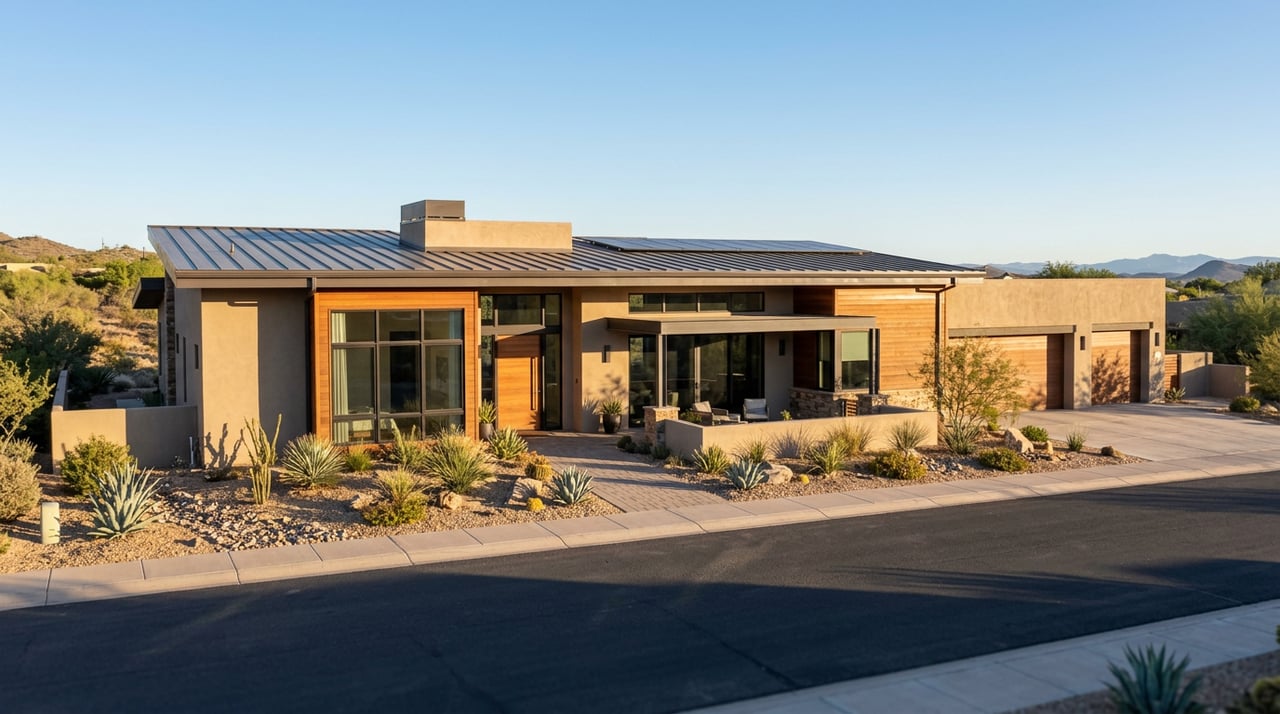
Scroll through active Centennial Hills listings this month and you'll notice a pattern. Half the write-ups for older resale homes lead with the same phrase, in capital letters, ahead of the square footage and the RV parking: PAID OFF SOLAR. It shows up so often it stops reading like a feature and starts reading like a warning label in reverse, the thing sellers rush to say before a buyer has to ask.
That instinct is correct. But the reason it matters right now, in this specific neighborhood, isn't just that solar panels are common here. It's a timing problem. A lot of Centennial Hills homes got their rooftop systems during the early-to-mid 2010s installation boom, when national solar companies were flooding into southern Nevada and signing homeowners to 20 to 25 year leases. Those leases don't expire quietly in the background. A system leased in 2013 doesn't come off contract until somewhere around 2033 to 2038. Which means a home built and outfitted with leased solar in that window is reselling now, well over a decade into a lease that's nowhere near paid down, right when the remaining balance and the lien behind it are both at their largest and most disruptive.
That's the mechanism worth understanding before you list. The median price for your street tells you what buyers are willing to pay. It says nothing about whether the roof on your specific house comes with a contract attached.
What the Median Price Doesn't Show You
As of early September 2026, active MLS listing data for Centennial Hills put the median list price between roughly $515,000 and $517,500, with homes averaging 68 to 70 days on market and an average price near $298 per square foot. Closed sales through June 2026 landed the median sale price at $494,828, up about 1 percent year over year. Inventory has grown compared to the tighter conditions of a couple years ago, which means buyers have more room to negotiate and less patience for surprises that surface mid-escrow.
None of those numbers distinguish between a home where the seller owns the panels outright and a home where the seller is still 12 years into a 20-year lease. They can't. Ownership structure isn't captured in comps. It shows up later, in the title report, in the appraisal, and in whether your buyer's financing survives the process.
The Lien Nobody Calls a Mortgage
According to AZ Mortgage Brothers, when a solar company leases equipment or finances it through a loan, it typically files a UCC-1 financing statement against the property. Occasionally, a solar lender files a deed of trust on the real estate itself, which is a more serious filing that shows up on a standard title search. Either way, the title company will find it. It has to be resolved.
There are really only two ways through it. The buyer assumes the lease or loan, which means contacting the solar company's transfer department directly and having the buyer complete a credit application separate from their mortgage approval. Or the seller pays off the remaining balance or buyout amount, which lets the lien get released and terminated outright. If neither happens, the sale doesn't close on schedule, and in some cases it doesn't close at all.
Here's the piece that catches sellers off guard even when they know all of this: an owned, paid-off system can add real value to an appraisal, while a leased or financed system almost never does. Standard appraisal guidance doesn't credit equipment the homeowner doesn't own, and lenders won't reduce a buyer's cost calculations for lease payments either. Two houses with identical rooftops can appraise completely differently depending on which box the seller checks on the disclosure form.
| Owned, paid off | Leased or PPA | |
|---|---|---|
| Title/lien status | Clean, no UCC-1 filing | UCC-1 filing, sometimes a deed of trust |
| Appraised value impact | Can add value with comparable sales support | Generally zero added value |
| Buyer qualification | None beyond standard mortgage | Separate credit check, typically 680-720 FICO |
| Typical timeline impact | None | 2 to 4 weeks for lease assumption approval |
The Second Approval Buyers Don't See Coming
A buyer who's already cleared underwriting for a mortgage assumes the hard part is behind them. Then they find out the solar company needs its own credit check before it will transfer the lease into their name, and that most solar companies want a score in the 680 to 720 range before they'll approve the swap. The approval itself typically takes two to three business days once submitted, but getting there means locating the transfer paperwork, getting the buyer to fill it out, and waiting on the solar company's internal process, which realistically adds two to four weeks to an escrow timeline that wasn't built to absorb it.
There's a narrower issue that trips up investors specifically. Solar companies generally won't transfer a lease or financing agreement to an LLC or other business entity. They want an individual name on the paperwork. A cash buyer purchasing through an entity can still close, but the seller usually has to pay off the system first rather than expecting the lease to transfer with the deed. If you're marketing a Centennial Hills home to investors and your solar is leased, that's worth knowing before you accept an offer, not after.
If the buyer doesn't qualify, or simply declines to take on someone else's 20-year commitment, the seller is left with the buyout. That figure varies by contract and how far into the lease term the system is, but a mid-life buyout commonly runs anywhere from roughly $8,000 to $30,000 or more. Sellers who find that number out during their first week of listing have far more room to price around it than sellers who find it out during their tenth day of escrow.
What Changed on April 1
As Utility Dive reported, Nevada's utility regulator approved a rate redesign for NV Energy in September 2025 that took effect for southern Nevada customers in April 2026, adding a daily demand charge based on each household's highest 15-minute usage period. It also altered how the utility accounts for net metering credits, a change solar advocacy groups argued would reduce the value of exported solar energy and weaken protections that had been in place under the state's 2017 net metering law.
For a seller trying to explain their solar setup to a buyer this fall, that context matters. According to the Nevada Public Utilities Commission, new net metering customers in Nevada are currently credited at 75 percent of the retail rate for excess power they send back to the grid, a rate locked in for 20 years from the date of interconnection. That's a real number worth knowing, and worth having the seller's most recent NV Energy statements on hand to show, rather than relying on a system installed a decade ago to explain a bill structure that's since changed twice.
Getting Ahead of It Before You List
The sellers who avoid the mid-escrow scramble are the ones who treat solar disclosure as a listing prep task, not a question they'll answer if it comes up. That means contacting the solar company 30 to 60 days before listing to request a current payoff or buyout quote and written transfer requirements, since solar companies can take a few weeks to produce complete documentation. It means pulling together a simple summary for buyers: system size, age, whether it's owned or under a lease or PPA, the monthly payment or cost if applicable, and twelve months of actual utility bills so a buyer can see the real numbers instead of guessing.
Getting ahead of the disclosure can help sellers avoid having the topic come up when it's harder to unwind.
A Few Questions Worth Asking Before You List
Does paid-off solar actually raise my appraisal? It can, but not automatically. Appraisers generally need comparable solar-equipped sales nearby to support adding value, so the boost isn't guaranteed just because the system is paid off. A leased or PPA system, by contrast, is treated as adding no appraised value at all.
What if my buyer wants to purchase through an LLC? Solar companies typically won't transfer a lease or financing agreement to a business entity, only to an individual. A cash buyer can still close through an LLC, but the seller usually needs to pay off the system directly rather than expecting the lease to transfer with the sale.
Solar can be a genuine selling point in a Centennial Hills listing. It can also be the reason a deal that looked simple on day one is still open on day forty-five. The difference is almost never the panels themselves. It's whether anyone checked the paperwork before the buyer's lender did.
If you're weighing when to list a Centennial Hills home, or you want a second read on how your specific solar situation might affect timing and price, Mike Boyle can walk through it with you directly. Schedule a free consultation or request a home valuation to start with the facts on your property, not a generic estimate.
This article is general information, not legal, tax or financial advice. Consult a qualified professional about your situation.